Persephone Station
Anya’s Research must be retrieved. Do you dare take on the mission?
A first person horror experience inspired by Alien: Isolation
Summary
Playthrough
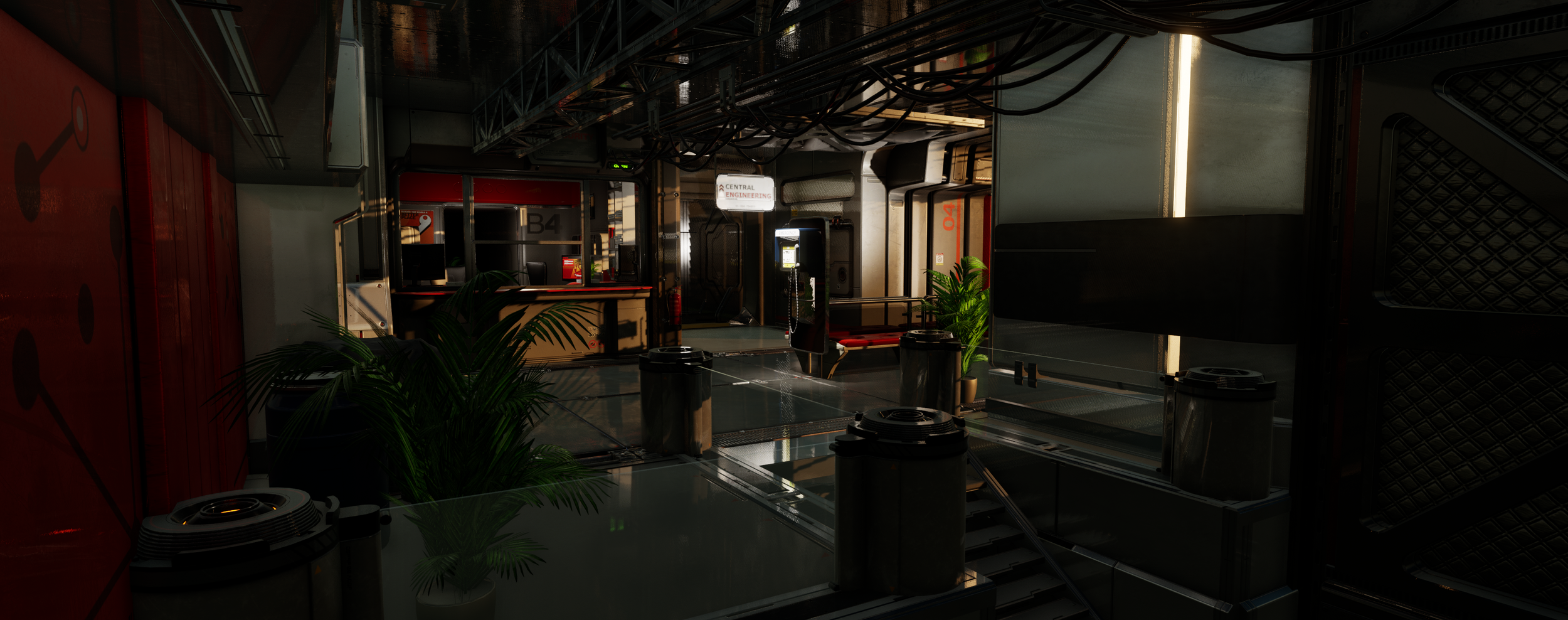
Gameplay
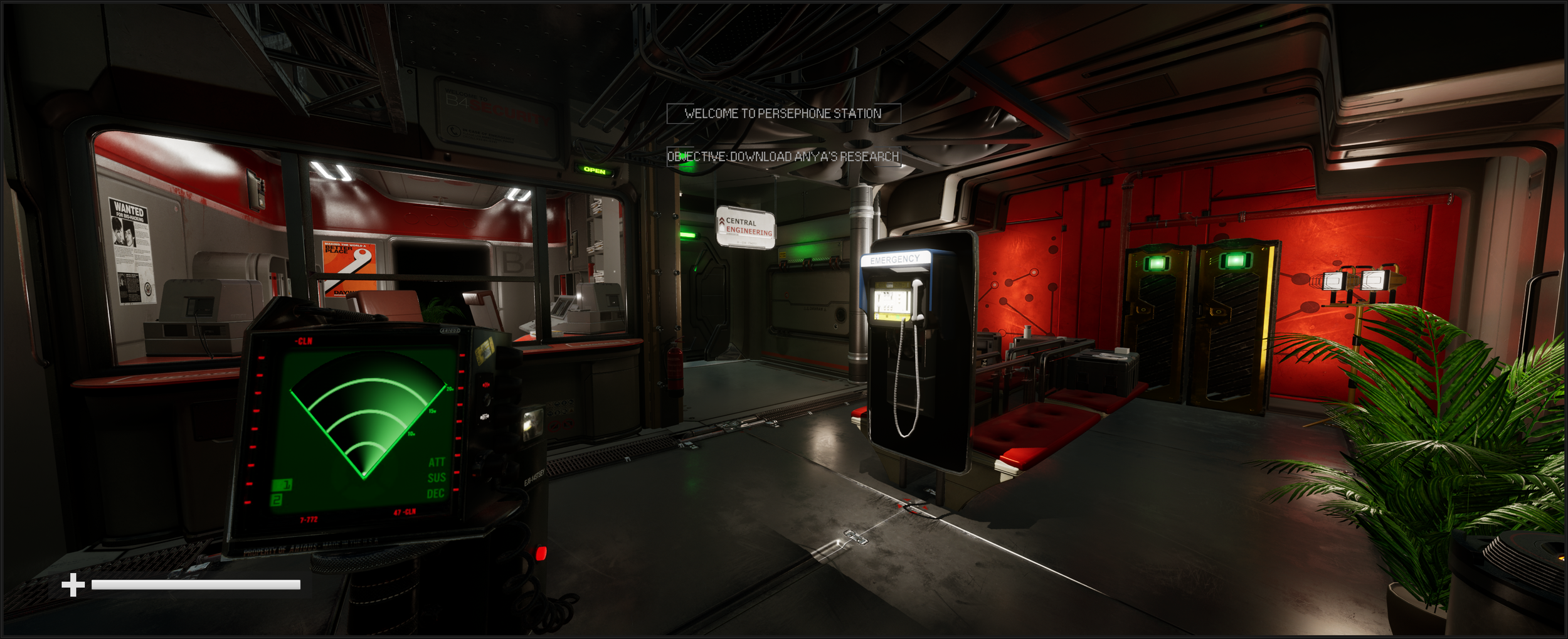
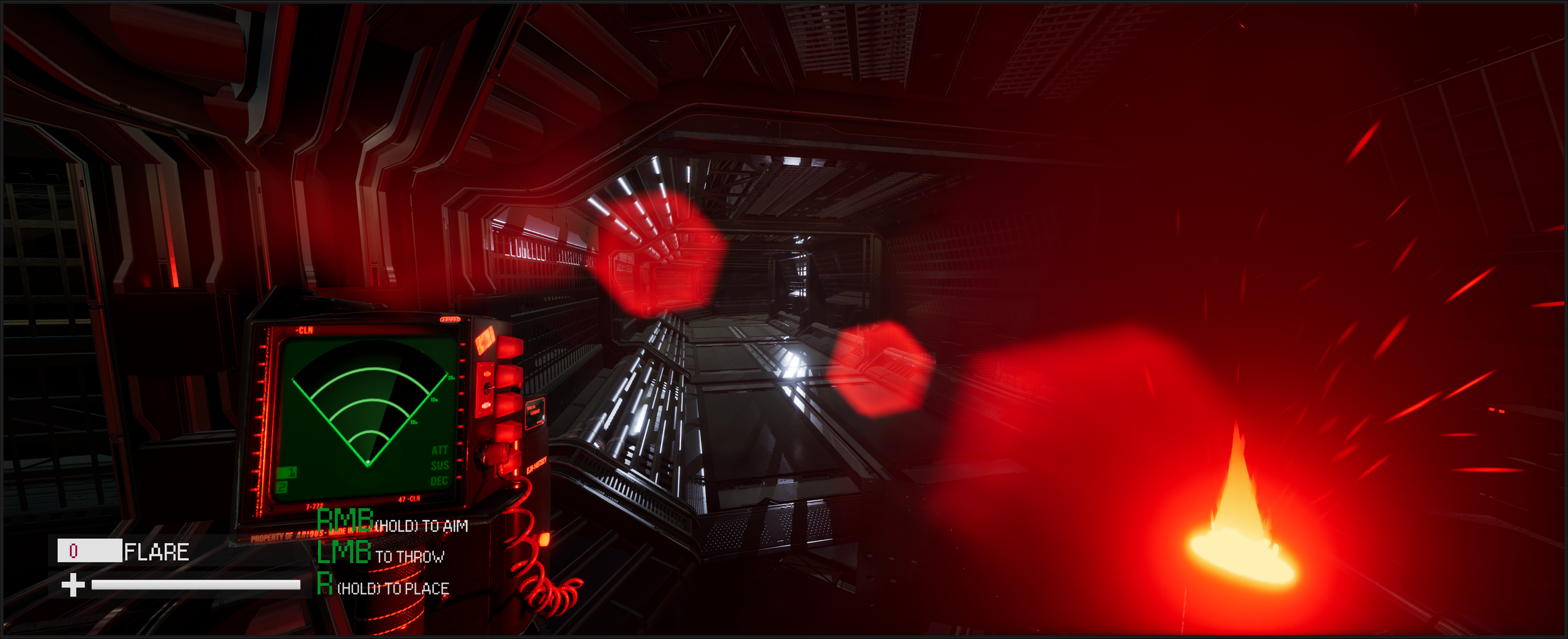
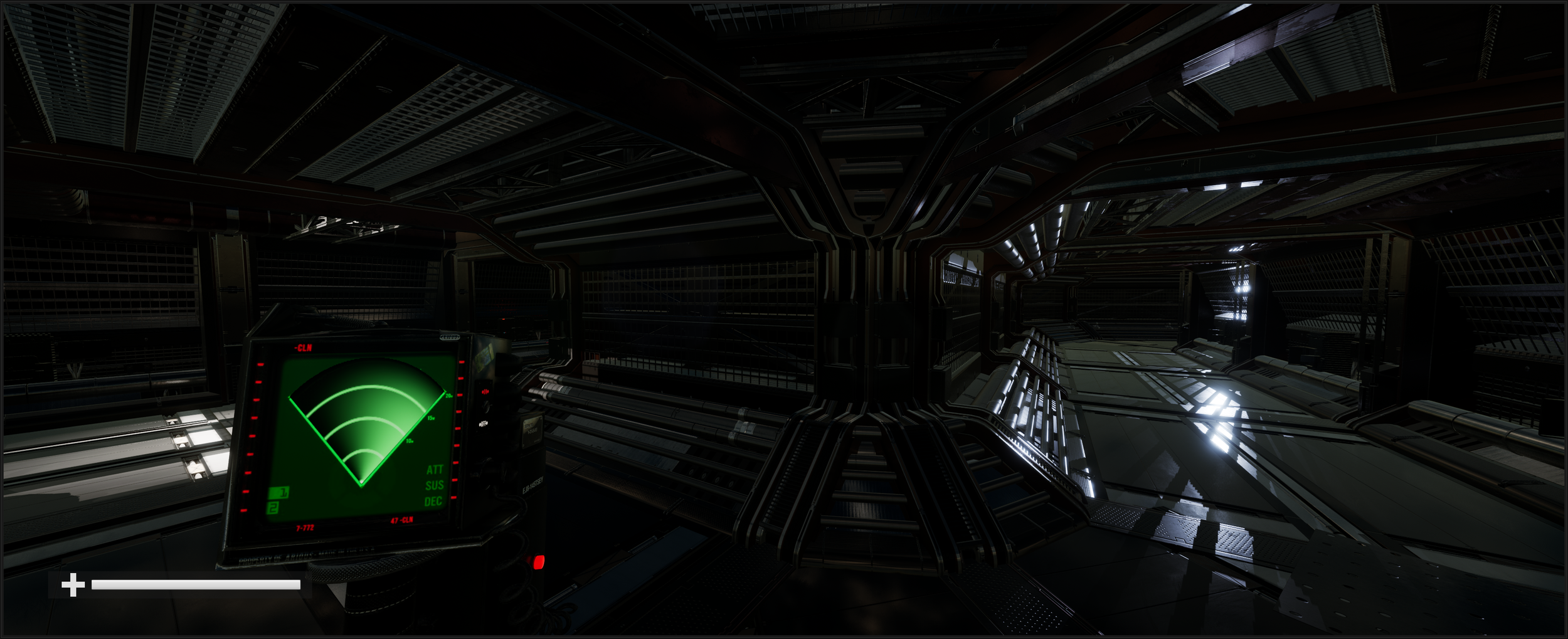
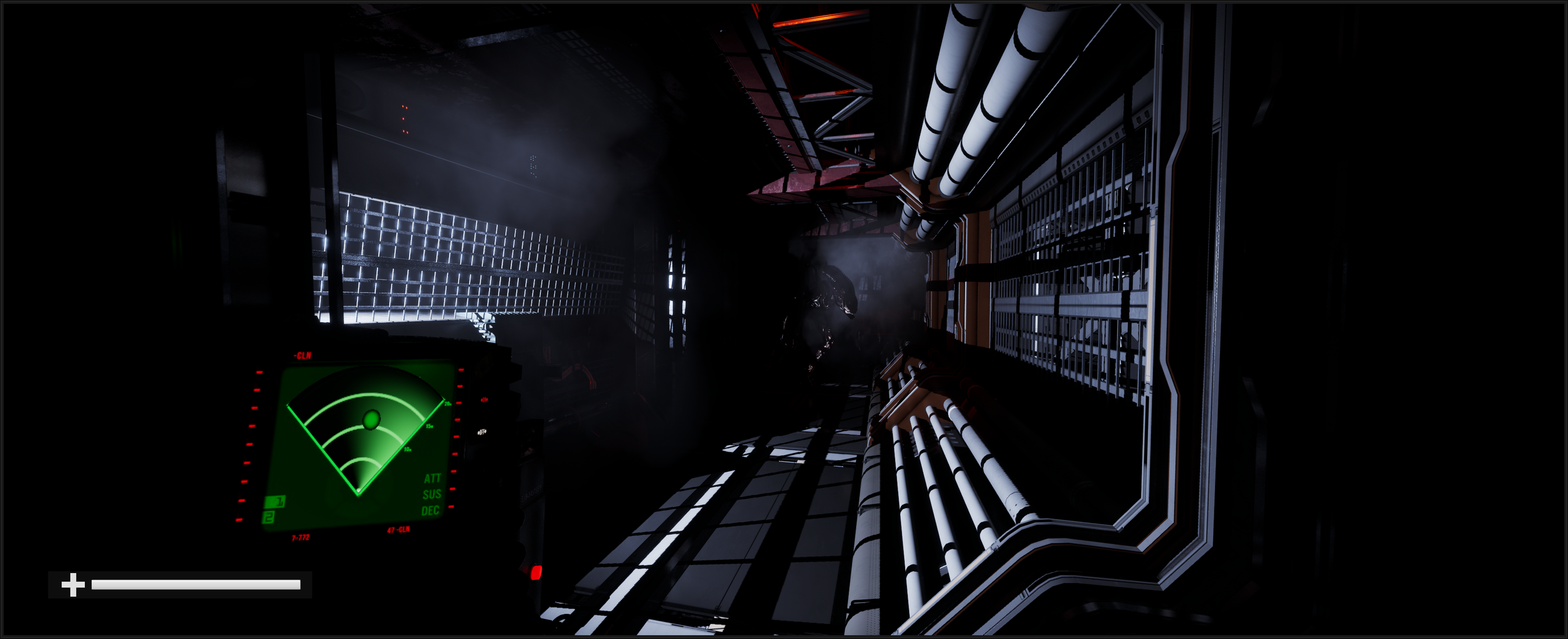
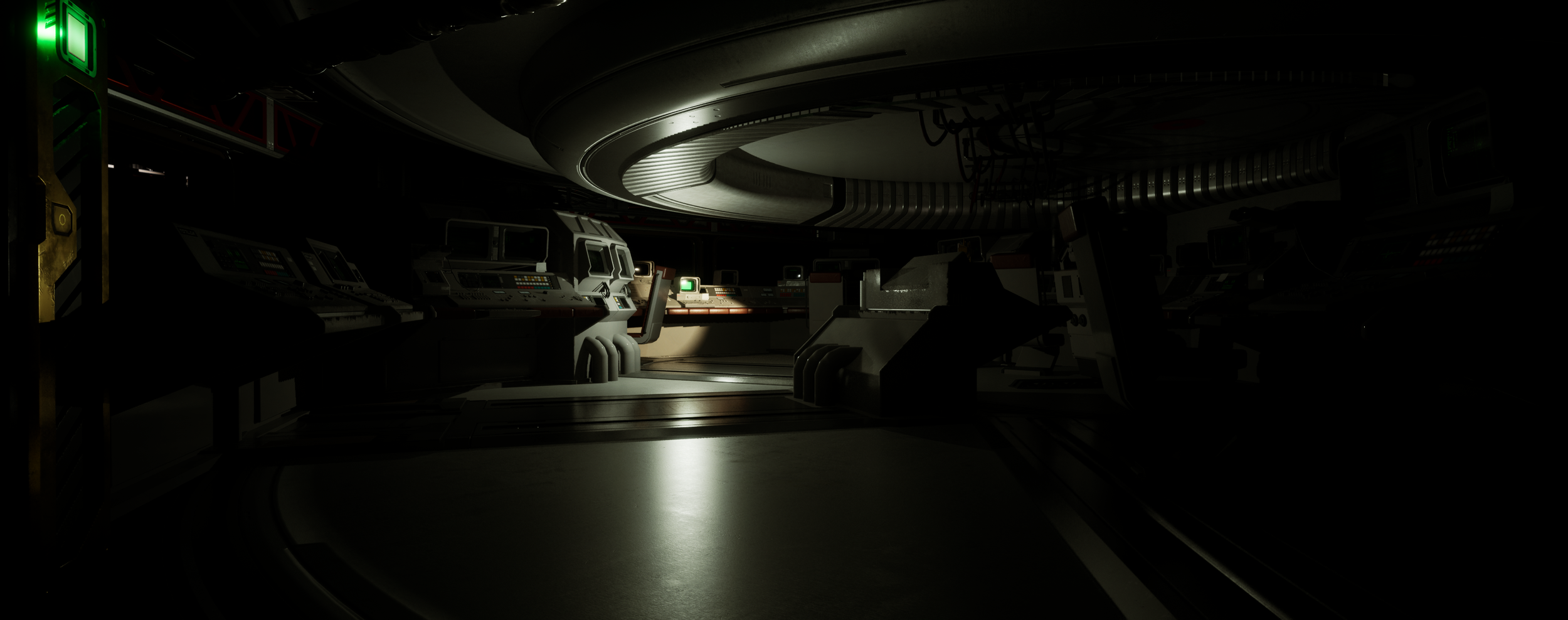
Persephone Station is a first-person horror experience heavily inspired by Alien: Isolation. For this project, I recreated and implement many of the core systems that define its gameplay loop, including:
Crafting system using scraps found throughout the level
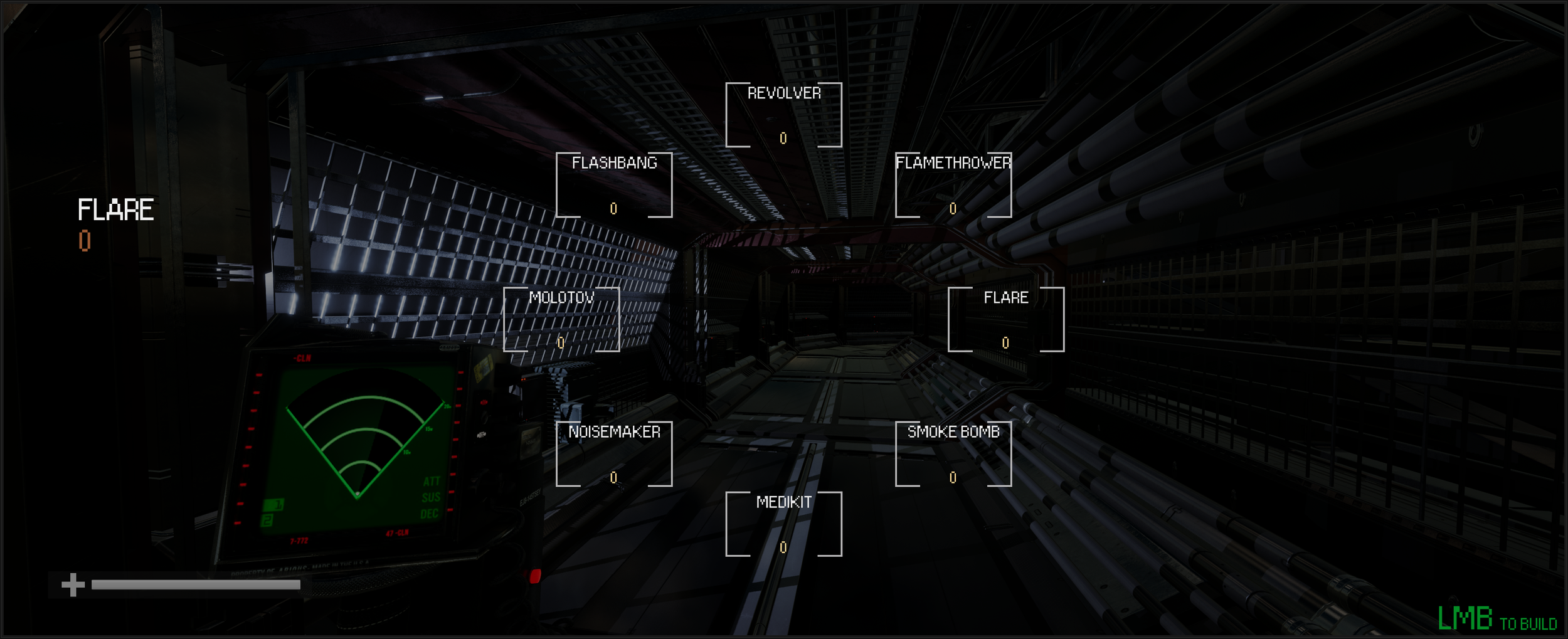
Equipping and using crafted items
Flamethrower weapon
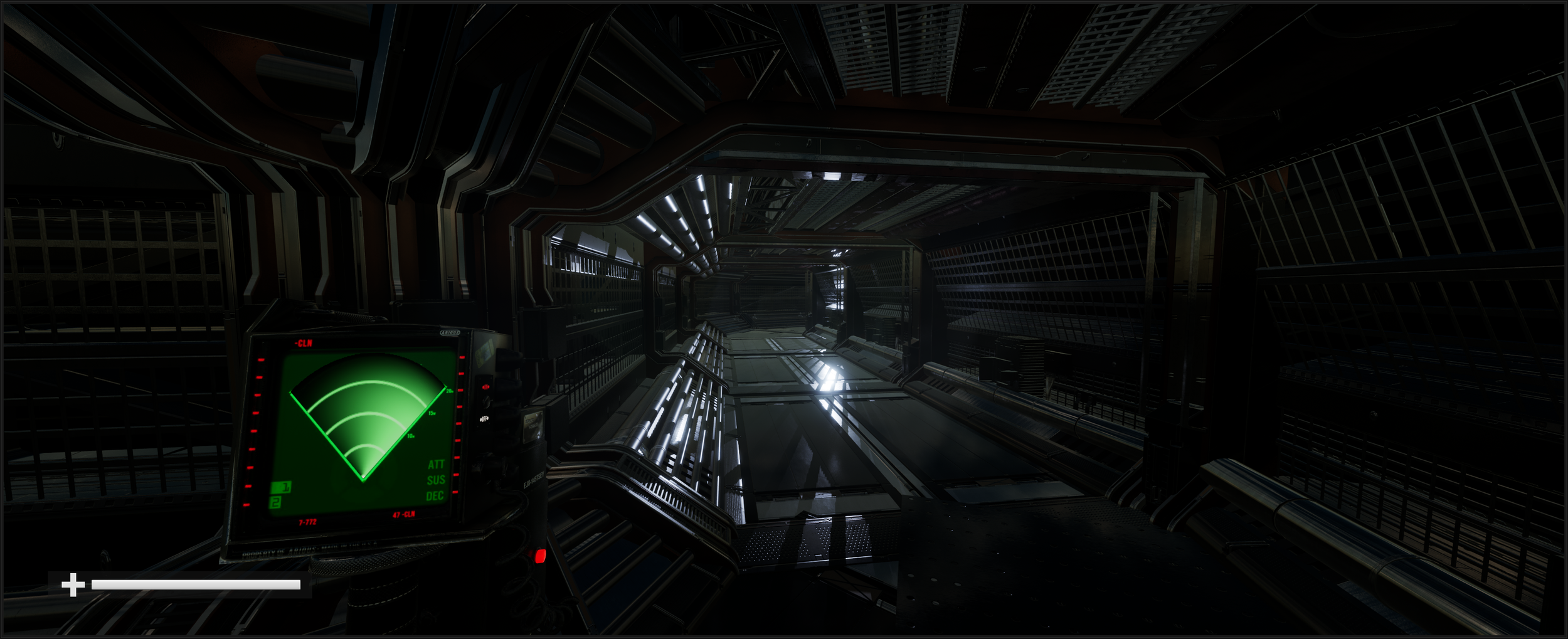
Motion tracker
Locker-based hiding mechanics
Alien pursuer AI
Locked doors requiring specific tools and items to access
Assets used:
Realistic Xenomorph Rig by NO DONT EAT ME CASEOH (Ferris Wheel)
Modular SciFi Season 1 and Season 2 Starter Bundles by Jonathon Frederick
Project Breakdown
Solo Project - 4 weeks, halftime
First Person horror experience
All scripts created by me
Created in Unreal Engine 5
Narrative
Hello? This is Anya, Persephone Station… Please, if you can hear this, I’m trapped and I need to get my research off the station.
I’m not alone. There’s someone… No, something else here.
If you can hear this… please, hurry.
Hello…?
Please… God, help us…
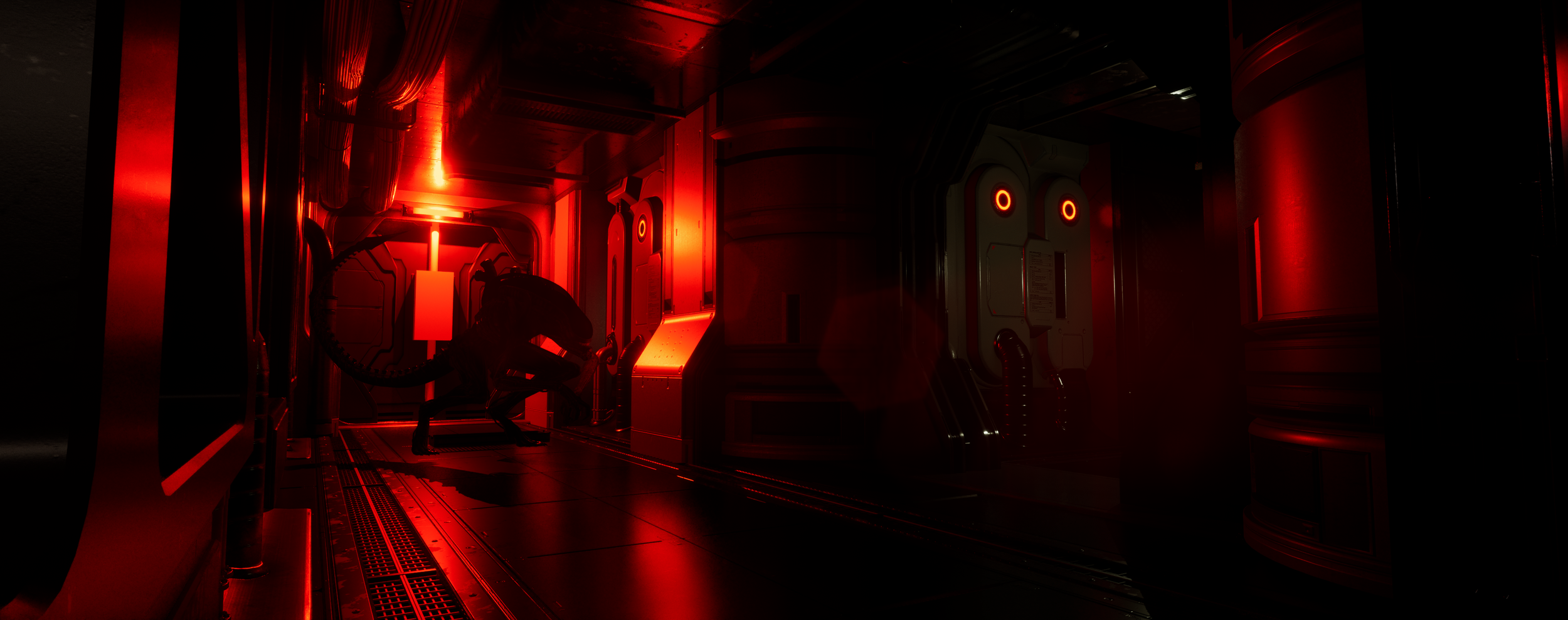
“Anya’s distress call came in on approach. Moments later, my freighter, X387, docked with Persephone Station.”
Map of Persephone Station
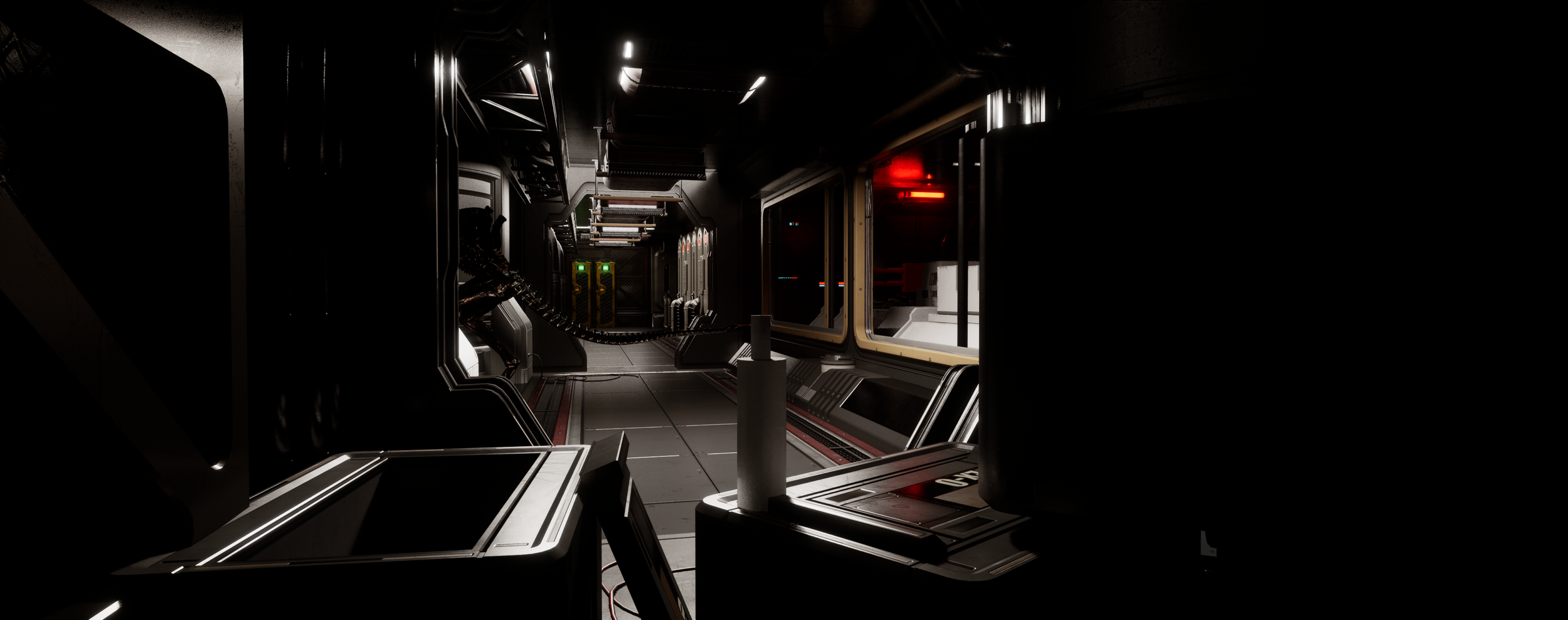
Crafting system
The crafting system is built around a data table that manages all available recipes, making it fully modular. This table defines the types and quantities of scrap required to craft each item,as well as inventory limits by assigning a maximum carry value per item type. Adding a new craftable item to the game is as simple as adding a new row to the data table and filling in it’s values.
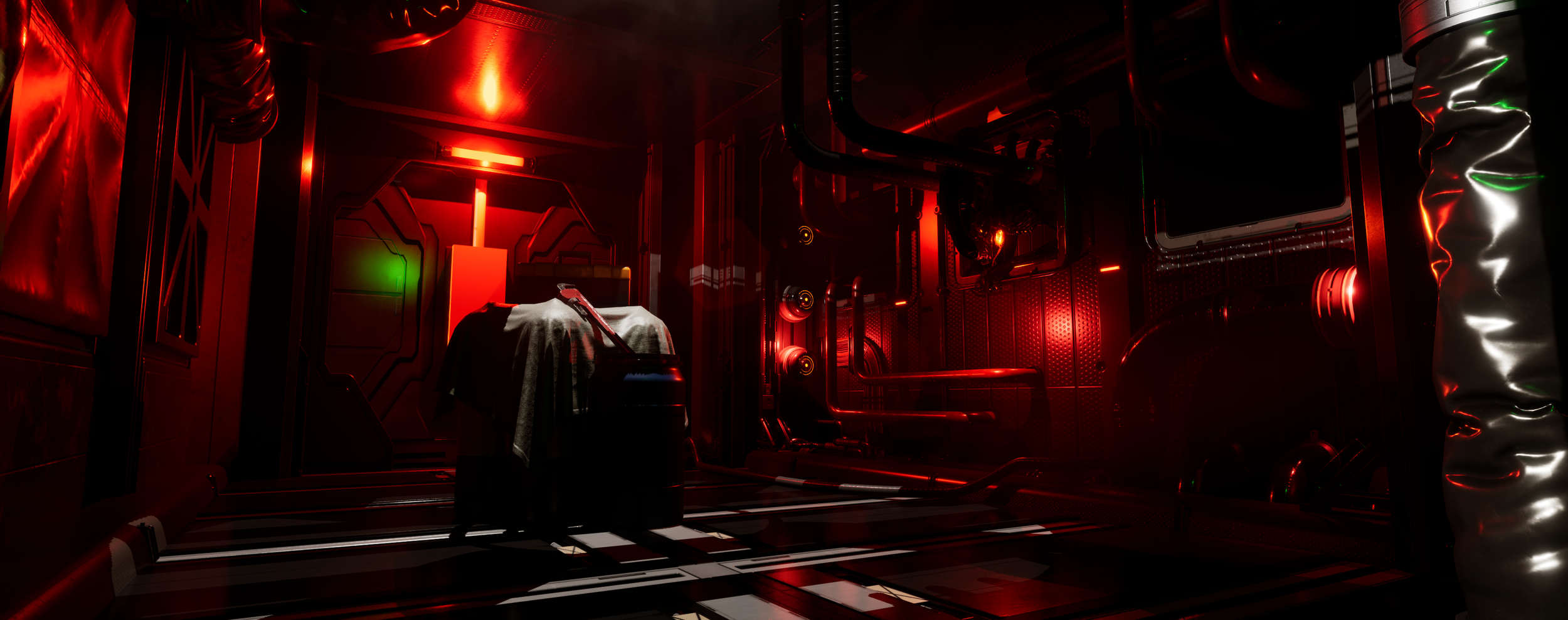
Locker-hiding system
The lockers are interactable actors in which the player can hide in. When interected with, the player actor is being lerped into position of the hiding spot, it disables player movement while in the locker but keeps all other imputs. This way, players can still look around, equip items and prepare if they need to exit the locker with haste. However, if the Alien knows or hear a player entering a locker, it will open it and grab the player.
The Alien - Simulating Intelligence
The AI logic is driven by a State Tree system, where tasks use gameplay tag–based motivators to evaluate conditions and determine state transitions. This simulates decision-making, allowing the Alien to dynamically adapt its behavior. For example, recalculating optimal paths toward the player, even as they change direction. As a result, the Alien can anticipate movement and intercept players around corners, reinforcing the illusion of intelligence.
State Tree evaluators
State Tree evaluators continuously monitor sight and hearing, enabling the Alien to detect and pursue the player. If the player breaks line of sight, the evaluators transition the AI into a searching state, maintaining pressure without perfect information.
Proximity, Peripheral & sight perception
The AI perception system is built using three distinct perception components. The first is a standard sight cone, narrow but long-range, allowing the Alien to detect players at a distance. The second is a much wider, short-range cone, simulating peripheral vision and making it harder to evade detection at close range. The third is a proximity-based perception, preventing players from sneaking up from behind. Together, these systems ensure the Alien remains a constant threat, encouraging avoidance and heightening tension.